
Tucked amid rolling hills and sparkling lakes in the southwestern corner of Rensselaer County, Sand Lake is a hidden gem in New York’s Capital District—just a short, scenic 15-minute drive from downtown Albany. With a little over 10,000 residents, the town captures the charm of small-town living, where friendly faces and a strong sense of community make everyone feel at home. The three hamlets—Averill Park, Sand Lake, and West Sand Lake—each add their own unique character and beauty, from quiet country roads to lively village centers. Winding gracefully through it all, our “Main Street” Route 43 has long been the town’s lifeline—connecting neighbors, generations, and the stories that make Sand Lake such a special place to call home.

The Town of Sand Lake, NY, was formed on March 1, 1812, from parts of Greenbush and Berlin, but its written history dates back to the Dutch colony of Rensselaerswyck in the 17th century.
Prior to the arrival of the Dutch in the early 1600’s Rensselaer County had been occupied for thousands of years by Indians. Although there are no remains of their villages, or battlegrounds, many “Indian Heads” have been found along the streams running through the high grounds in the County. In 1629, Kilean Van Rensselaer established the feudal manor of Rensselaerwyck. The portion in Rensselaer County was 24 miles long and ran along the Hudson River to include what is now known as Schodack, Nassau, North and East Greenbush, Sand Lake, Grafton, Brunswick, Petersburg, Berlin, Stephentown, Pittstown, Troy and Rensselaer. (Rensselaer County Website)
Over time, the town of Sand Lake developed, with industrial activity around the Wynantskill Creek and the establishment of hamlets like West Sand Lake and Averill Park.
The Hamlets
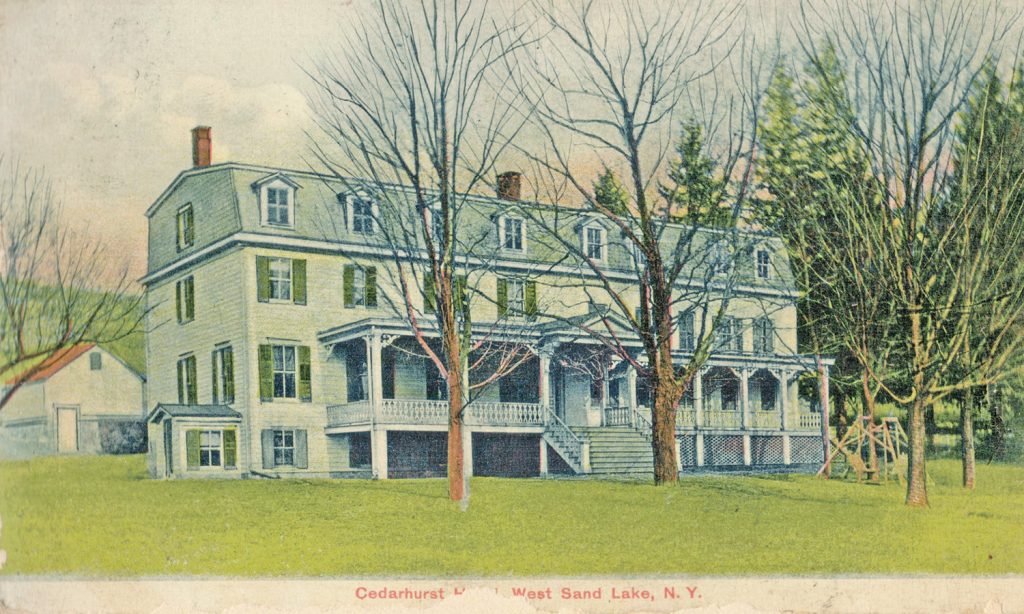
Though all the hamlets are within a few miles of each other, West Sand Lake is the largest and most densely developed. It is at the crossroads of two state highways. The west edge of the hamlet is the oldest, with homes dating back to the early 1800s. Currently, it houses the town’s main retail area, including a grocery, pharmacy, banks, post office and several other shops and service businesses. The hamlet also contains the elementary school, a fire house with a small museum and two churches. Within and adjacent to the hamlet are long-established residential neighborhoods.
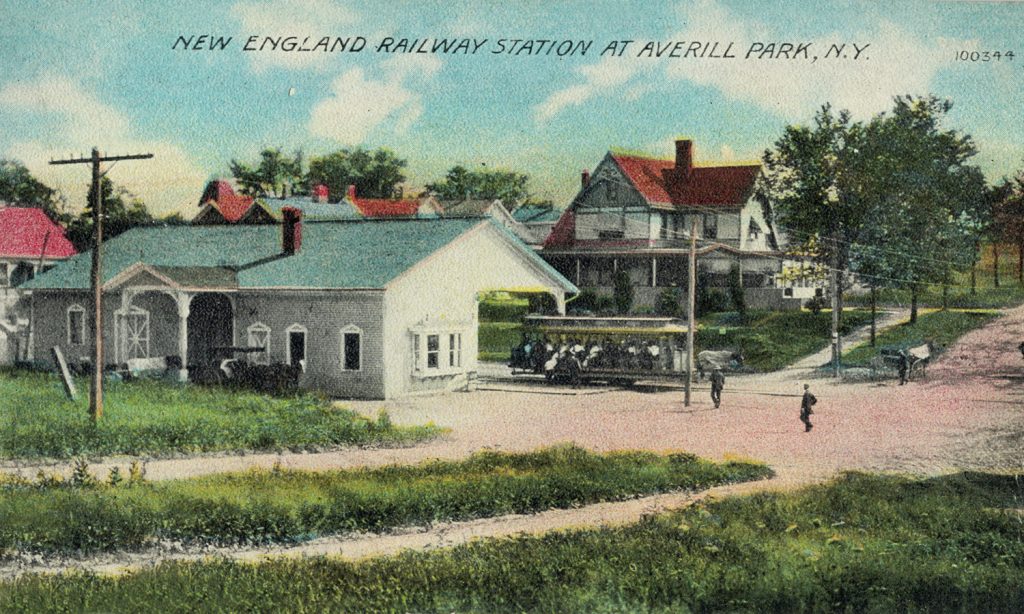
Averill Park is the next largest hamlet, located to the east of West Sand Lake. This area is characterized by small shops, a restaurant, and a pharmacy within an historic structure of the mid 1800s on our main street, There are also two churches in the hamlet. The Averill Park High School is also located here and newer neighborhoods have grown off in many directions.
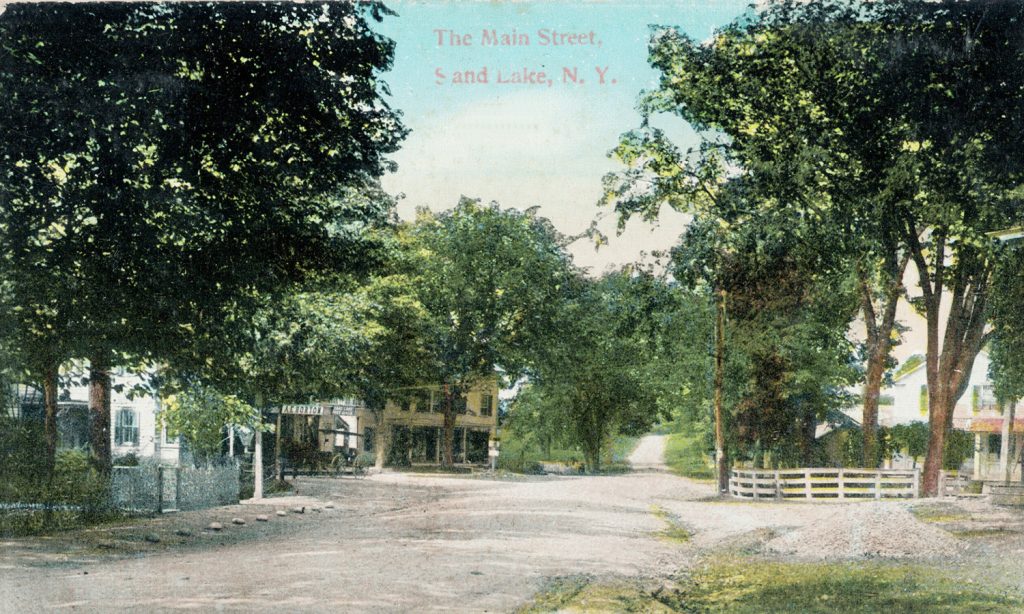
The hamlet of Sand Lake is the smallest in the town. This hamlet, also at a crossroads, contains the Sand Lake Center for the Arts, yet another post office, Town Hall, and an elementary school. In addition there is a convenience store, a hardware store, a tavern and a new mercantile shop. Residential lots surrounding the hamlet are more rural and widely spaced than in the other two hamlets and the east end is the most historically intact with mainly stately homes. A former blacksmith shop now houses a tavern. Sand Lake Union Cemetery is located here, and a beloved civil war horse, Moscow, is buried near his owner. (Town of Sand Lake website)